Objective of the Game
Chess is played between two players.
Each player starts with 16 pieces.
The goal is to checkmate your opponent’s king.
Checkmate happens when the king is under attack and there is no legal move to escape.
If a king is attacked but can escape, it is called check.
The Pieces
Each player starts with the same set of pieces:
1 King
1 Queen
2 Rooks
2 Bishops
2 Knights
8 Pawns
The King
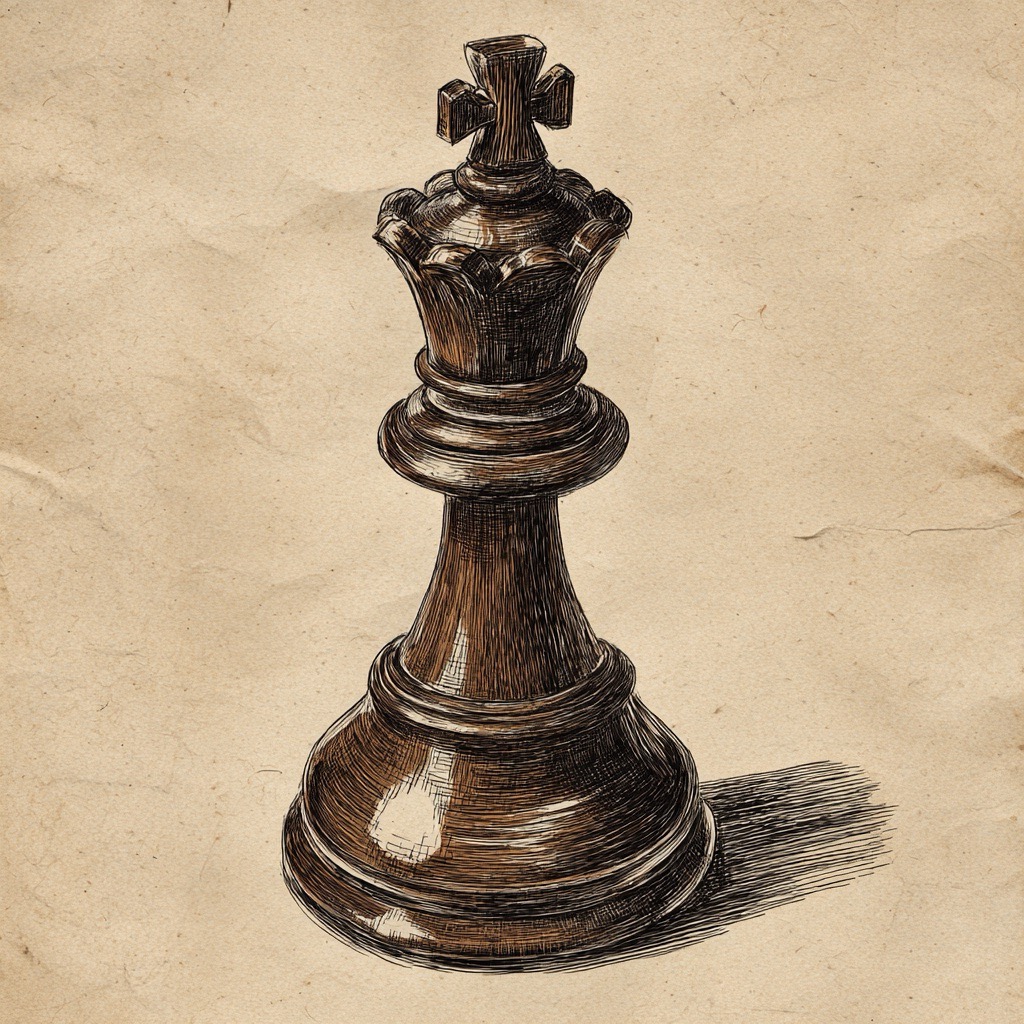
The king is the most important piece.
It can move one square in any direction.
The king cannot move into a square where it would be captured.
If the king is attacked, the player must immediately remove the threat.
If the king cannot escape an attack, the game ends in checkmate.
The Queen
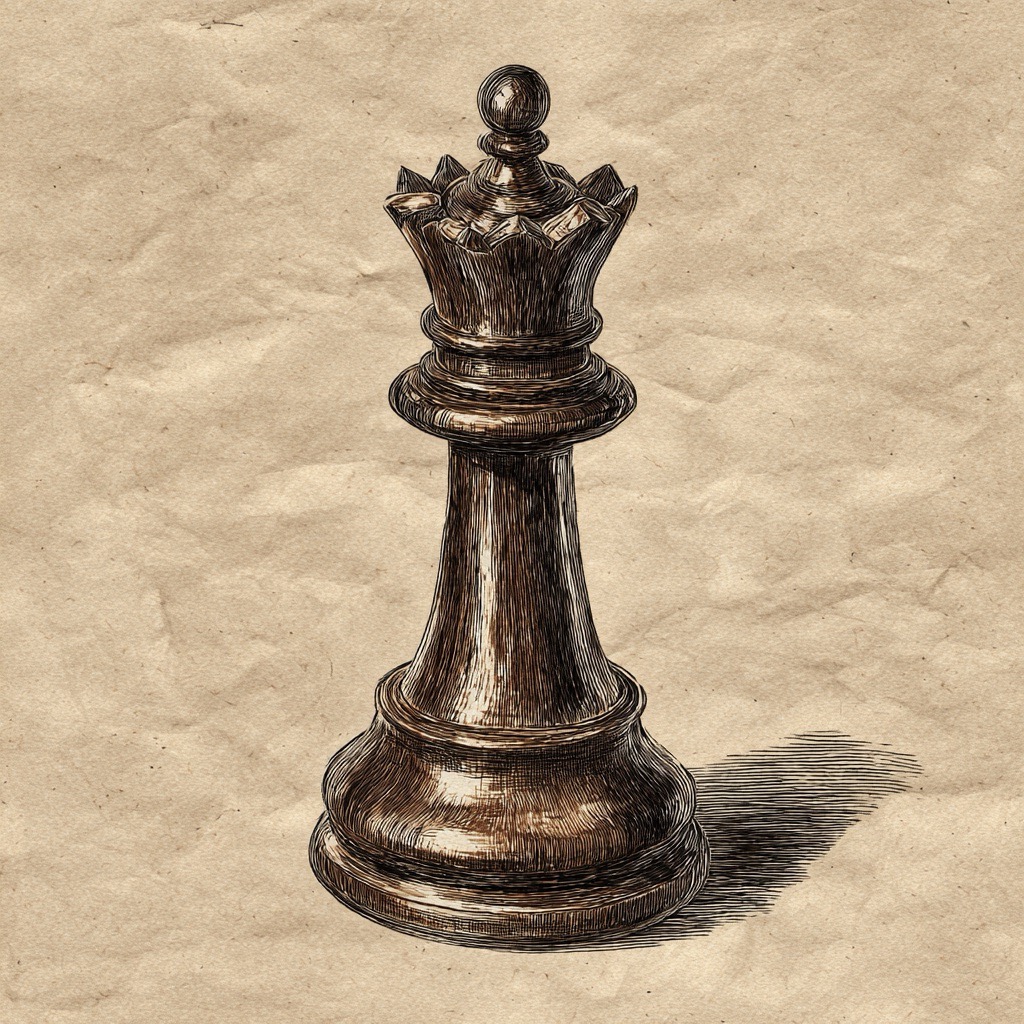
The queen is the most powerful piece.
It can move any number of squares vertically, horizontally, or diagonally.
The queen combines the movement of the rook and bishop.
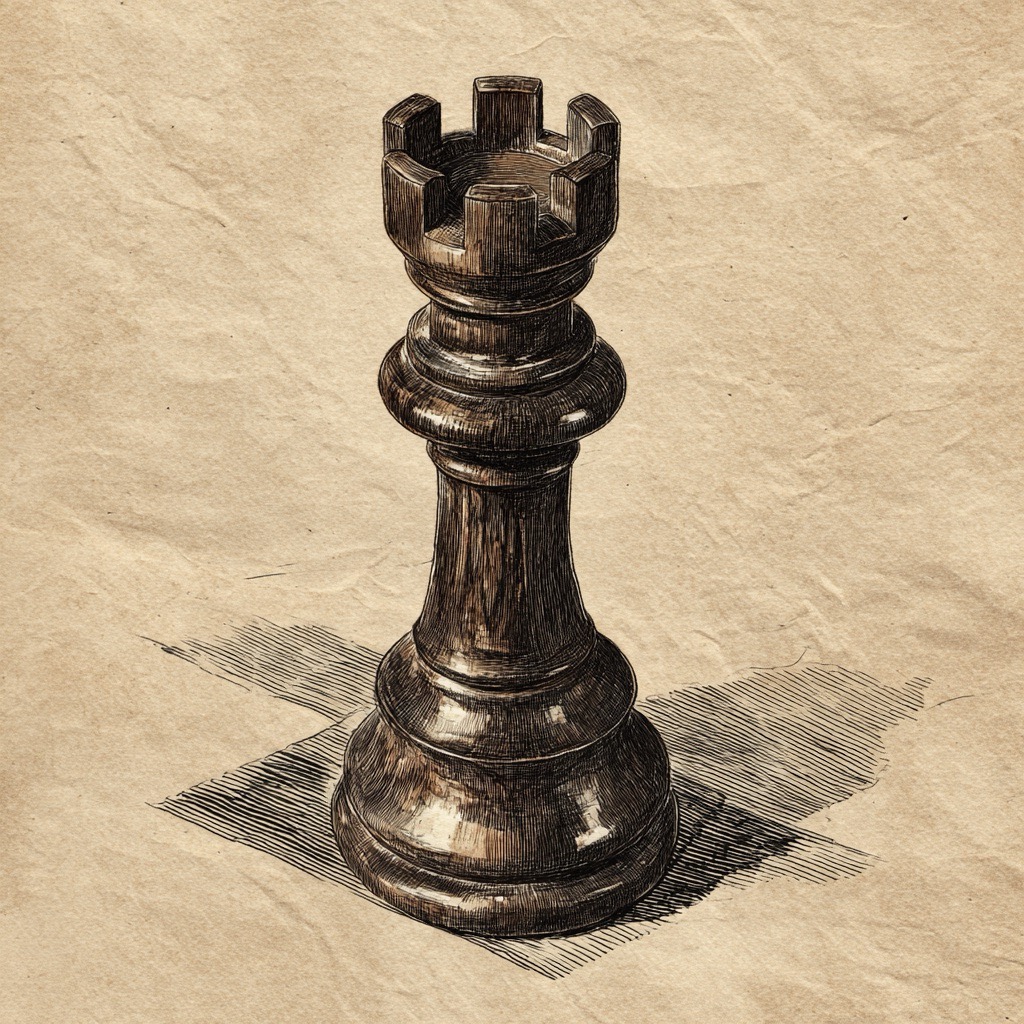
The Rook
The rook moves any number of squares horizontally or vertically.
Rooks are especially strong on open files and ranks.
Rooks are also involved in the special move called castling.
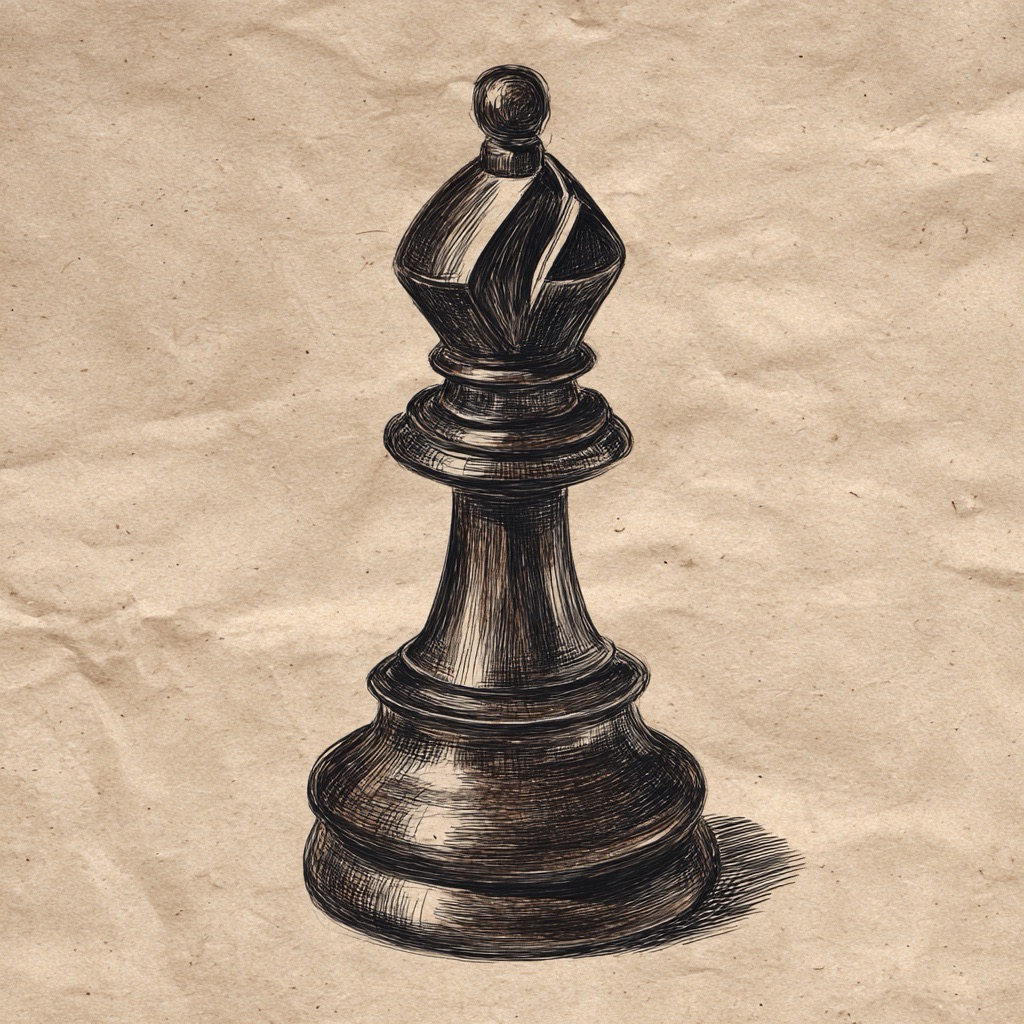
The Bishop
Bishops move diagonally any number of squares.
Each player has two bishops.
One bishop stays on light squares and the other stays on dark squares for the entire game.
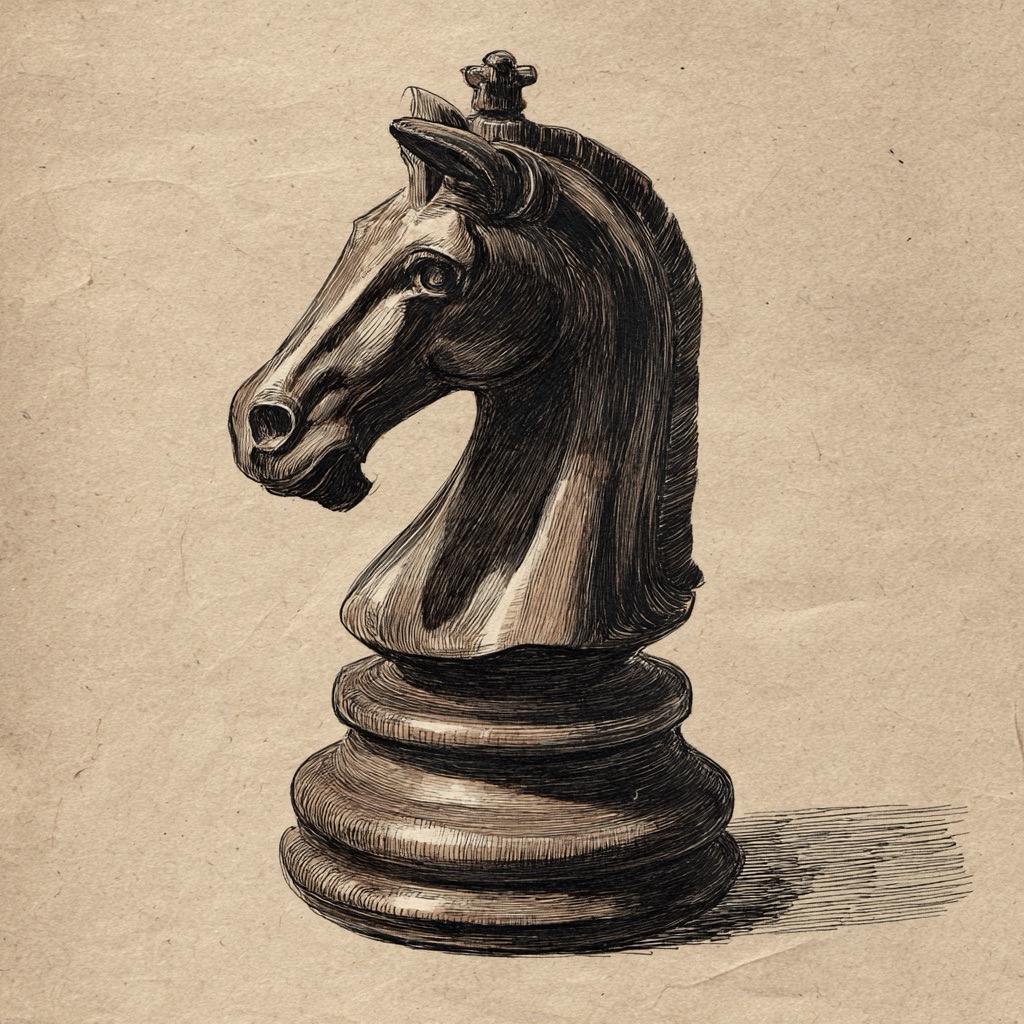
The Knight
Knights move in an L shape.
They move two squares in one direction and then one square to the side.
Knights are the only pieces that can jump over other pieces.
Knights capture by landing on the square occupied by an opponent piece.
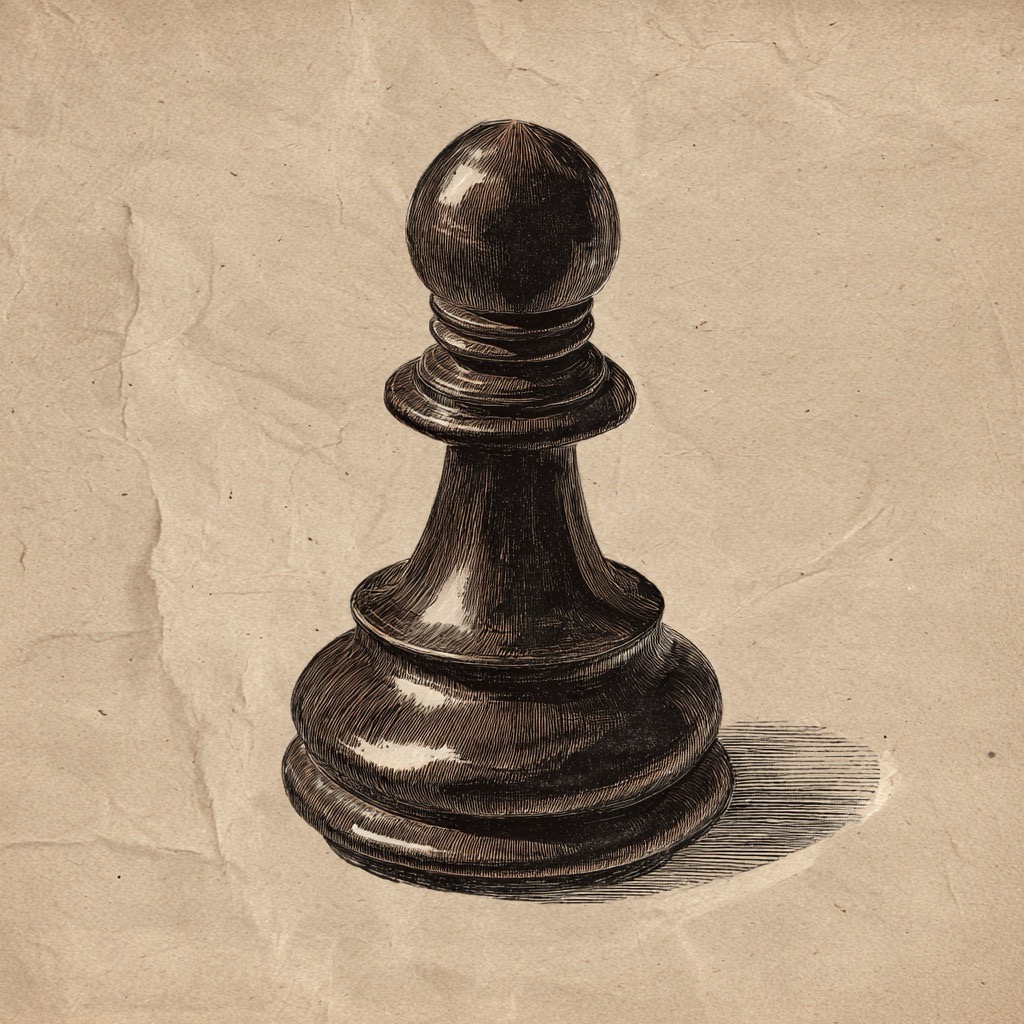
The Pawn
Pawns move forward one square.
From their starting position, pawns may move forward two squares.
Pawns capture one square diagonally forward.
Pawns cannot move backward.
Pawns are often used to control space and protect other pieces.
Capturing Pieces
Most pieces capture the same way they move.
If a piece moves to a square occupied by an opponent piece, that piece is captured and removed from the board.
Pawns capture diagonally rather than forward.
Castling
Castling is a special move involving the king and a rook.
The king moves two squares toward the rook.
The rook then moves to the square next to the king on the other side.
Castling helps protect the king and connect the rooks.
Castling is only allowed if:
The king has not moved.
The rook involved has not moved.
There are no pieces between them.
The king is not currently in check.
The king does not move through or into a square under attack.
Pawn Promotion
When a pawn reaches the last row of the board, it must be promoted.
The pawn can be promoted to a queen, rook, bishop, or knight.
Most players choose a queen because it is the most powerful piece.
A player can have multiple queens through promotion.
En Passant
En passant is a special pawn capture.
It occurs when a pawn moves forward two squares from its starting position and lands beside an opponent pawn.
The opponent pawn may capture it as if it had moved only one square.
This capture must happen immediately on the next move or the opportunity is lost.
Stalemate
Stalemate happens when a player has no legal moves but their king is not in check.
When stalemate occurs, the game ends in a draw.
Basic Strategy for New Players
Control the center of the board.
Develop your knights and bishops early.
Avoid moving the same piece multiple times in the opening without a reason.
Castle early to protect your king.
Try to keep your pieces working together.
Common Chess Terms
File: A vertical column on the board.
Rank: A horizontal row on the board.
Check: The king is under attack.
Checkmate: The king is under attack with no escape.
Capture: Removing an opponent’s piece by moving onto its square.
Quick Beginner Game Plan
Move a center pawn first.
Develop your knights and bishops.
Castle your king.
Bring your rooks into the game.
Look for opportunities to attack and capture pieces.